The realm of medical care is huge, particularly when it pertains to specialized locations like bowel care management. The Complex Digestive tract Care Course: Elevating Your Recognizing and Skills functions as an important instructional framework for experts intending to improve their proficiencies in this crucial field. This short article will dig deep into the ins and outs of complex bowel care, stoma care training for carers, and the various elements that compose efficient bowel care management.
Understanding Complicated Digestive tract Care
What is Complicated Bowel Care?
Complex digestive tract care refers to a thorough method to taking care of various stomach problems that may require sophisticated interventions. This includes people with stomas, inflammatory bowel illness (IBD), cancer cells, or other persistent problems influencing bowel function. The intricacy arises not simply from the clinical demands of these clients however likewise from their psychological and psychological well-being.
Key Components of Intricate Digestive Tract Care
- Assessment: Extensive assessment of the person's case history and present wellness status. Care Preparation: Growth of individualized care strategies tailored to particular needs. Implementation: Real delivery of treatment interventions. Monitoring: Routine follow-up evaluations to guarantee efficacy and readjust as needed.
Importance of NDIS Complex Bowel Care Training
The National Impairment Insurance coverage Scheme (NDIS) plays a substantial duty in supplying required support for individuals with impairments, including those requiring complex bowel care.
Why Select NDIS Complex Bowel Care Training?
Engaging in NDIS complex bowel care training equips caregivers with abilities that make certain ideal person results. It covers every little thing from basic composition and physiology to sophisticated techniques in stoma management.
Benefits Include:
Improved Client Results: Well-informed caregivers can better take care of complications. Enhanced Confidence: Training instills confidence in both caretakers and patients. Compliance with Regulations: Training ensures adherence to safety and security protocols.Stoma Treatment Training for Carers
Understanding Stomas
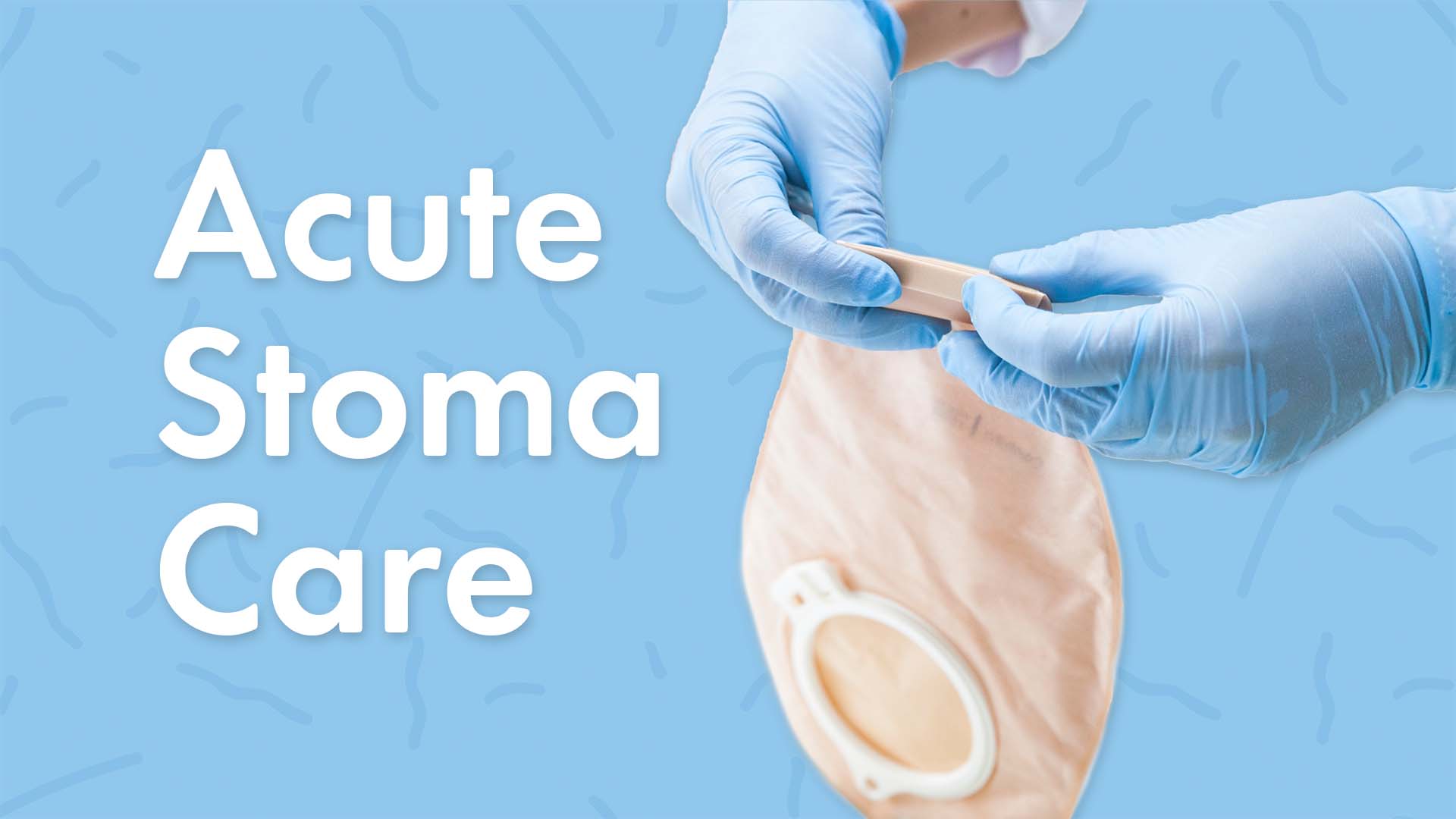
A stoma is an opening produced surgically on the abdomen, permitting waste removal from the body. It's important for caretakers to recognize what a stoma is, just how it operates, and just how to provide appropriate care.
Types of Stomas:
- Colostomy: Opening from the colon. Ileostomy: Opening from the ileum. Urostomy: Opening up for urinary system diversion.
Essential Facets of Stoma Care Training
Proper hygiene practices. Recognizing signs of infection or complications. Techniques for transforming ostomy bags effectively.What is a Stoma and What is Ostomy Care?
Defining Stoma and Ostomy:
A stoma functions as a different leave factor for bodily waste when regular pathways are not able to operate because of illness or injury.
What is Ostomy Care?
Ostomy care includes all tasks related to maintaining skin honesty around the stoma, ensuring appropriate bag feature, and addressing any type of problems that might arise.
Common Problems in Stoma Care
1. Skin Irritation
This can take place if fecal matter enters into contact with the skin or if there's poor fitting of the ostomy appliance.
2. Blockage
Blockages can occur if food materials are not correctly absorbed prior to reaching the stoma.
3. Infection
Infections may develop around the stoma site needing immediate attention.
Bowel Treatment Management Techniques
Effective bowel care management needs understanding regarding numerous techniques tailored to specific patient needs:
1. Nutritional Adjustments
Certain foods can worsen signs and symptoms; therefore nutritional adjustments play a critical role.
2. Medicine Management
Proper medicines can assist manage defecation efficiently while reducing side effects.
3. Routine Monitoring
Keeping track of individual conditions with routine analyses makes sure prompt interventions when needed.
Complex Digestive tract Treatment Training course Structure
The framework of a normal complex bowel care course incorporates different modules developed for extensive learning:
Module Breakdown
|Component Title|Period|Trick Subjects Covered|| ----------------------------|-------------|-------------------------------------------|| Intro to Bowel Anatomy|4 hours|Fundamental makeup & & physiology|| Stoma Administration|6 hours|Kinds, maintenance, difficulties|| Person Evaluation Abilities|5 hours|Assessments & & documentation|| Nutritional Considerations|4 hours|Dietary guidelines & & constraints|| Psychological Support Techniques|3 hours|Mental elements & & support group|
FAQs about Complex Bowel Care Course: Elevating Your Recognizing and Skills
FAQ 1: What are the requirements for registering in a complex bowel care course?
Most training courses need participants to have standard medical care expertise or previous experience in caregiving roles.
stoma care training for carersFAQ 2: Is NDIS complex bowel care training readily available online?
Yes, lots of companies offer on-line training components providing specifically to NDIS requirements.

FAQ 3: How much time does it take to finish a complex bowel care course?
Typically, these training courses vary from a number of days to weeks, relying on web content deepness and shipment format.
FAQ 4: Will I obtain a certification after completing the course?
Yes, upon effective conclusion, individuals normally get qualification recognized by appropriate authorities.
FAQ 5: Can I apply this understanding straight in my caregiving role?
Absolutely! The abilities learned are directly relevant in real-world circumstances involving patient interactions.
FAQ 6: What recurring assistance will I receive after finishing my training?
Many training programs use proceeded education and learning sources or access to specialist discussion forums for ongoing support.
Conclusion
The trip through understanding complex bowel care does not merely outfit you with expertise; it cultivates compassion in the direction of those facing challenging health and wellness scenarios. Through training courses like the Complex Bowel Care Course: Raising Your Recognizing and Skills, caretakers obtain important understandings right into managing problems efficiently while nurturing their psychological resilience as well as their clients'. Whether you're involved in straight patient interaction or functioning behind-the-scenes to bolster health care systems' efficiency, this specialized training provides very useful tools that elevate your practice greatly-- ensuring you're far better prepared for whatever challenges exist ahead in this gratifying area of health care management.
By investing time right into comprehending intricacies such as stomas or effective digestive tract management strategies through extensive training programs like NDIS complex bowel care training courses available today-- not only do you empower on your own-- you ultimately boost those around you that depend upon your knowledge during some of life's most challenging moments!